
- Oregon Measure 109: Oregon broke new ground in 2020 by becoming the first state to legalize psilocybin for therapeutic use, permitting professionals who are licensed to administer controlled doses. This notable decision set a model for other states to emulate.
- Oregon pioneered the legalization of therapeutic use, with certified practitioners administering it.
- Canada’s Health Minister granted four terminally ill cancer patients the right to use magic mushrooms for palliative care in 2020.
- The University of British Columbia is conducting a 24-week Phase 2 trial, Clairvoyant, to study psilocybin-assisted therapy for adults diagnosed with alcohol abuse disorder.
- Oregon Measure 109: Oregon broke new ground in 2020 by becoming the first state to legalize psilocybin for therapeutic use, permitting professionals who are licensed to administer controlled doses. This notable decision set a model for other states to emulate.
- Colorado Initiative: The legislative body of Colorado has approved a bill to decriminalize psilocybin, laying the groundwork for its medical use in a regulated environment. This action has initiated further research and clinical usage of the substance.
- Breakthrough Therapy: In recognition of its potential benefits, the FDA has granted this psychedelic the status of “breakthrough therapy” for the treatment of resistant depression. This speeds up its development and review process.
- Decriminalization: The City Council has endorsed decriminalization, placing emphasis on harm reduction and public health.
- Statewide Legalisation: States like Oregon have taken a more direct legislative path, allowing psilocybin for therapeutic uses and establishing guidelines for licensed facilitators.
- Focus on Research and Therapy: The U.S. initiatives are primarily focused on clinical trials and developing therapeutic frameworks.
- As an increasing number of patients seek alternatives to standard treatments, psilocybin might serve as a viable option. Mushroom dispensaries are capitalizing on this demand by making the substance more accessible.
- Most dispensaries prioritize harm reduction and education, providing resources and information on responsible use and potential effects. This helps individuals gain a better understanding of the substance, enabling them to make well-informed decisions.
- Dispensaries offer more than just mushroom supplies; they also provide therapeutic support like guided sessions, integration circles, or partnerships with mental health professionals.
- Job creation could occur in sectors such as retail, customer service, and administrative roles.
- There could be expanded opportunities for cultivation, packaging, and distribution.
- The city could become a sought-after destination for those interested in psychedelic experiences or therapeutic sessions.
- A rise in local and provincial tax revenues could occur.
- Certain city organizations are forming “compassion clubs”, which provide safe and controlled environments for substance use.
- Efforts at the community level are underway, with local organizations advocating for the decriminalization of this substance. They are also exploring the possibility of pilot initiatives and therapeutic uses.
The global exchange market often witnesses the U.S. and Canadian dollars battling for dominance. This competitive dynamic is also apparent in the magic mushroom industry. Online psychedelic mushroom dispensaries in Vancouver and other cities are rapidly emerging. Yet, will they be able to match the accelerated pace of psychedelic development in America? Let’s delve deeper.
[toc]
Key Highlights:
The Rapid Growth of the U.S. Magic Mushroom Industry
The magic mushroom industry in the U.S. has rapidly grown, emerging as a strong competitor to cannabis. This swift expansion indicates an increasing societal acceptance of the potential therapeutic use of this substance.
A Spotlight on Mental Health
Health professionals are captivated by its potential to ease symptoms of various mental health conditions, including depression, anxiety, and PTSD. Encouraging results from studies have spurred private pharmaceutical companies to explore its medicinal potential.
This interest has not only sparked curiosity in healthcare applications but also significantly stimulated the economy. Both startups and research projects are concentrating on psilocybin development.
There is an increasing amount of clinical evidence supporting the use of magic mushrooms in treating specific diseases. NIDA Director Nora Volkow underscored the growing evidence asserting that psychedelics hold “considerable potential” for medical treatments.
Legal Milestones
The Cannabis Industry: A Multi-Billion Dollar Market
At present, the Cannabis industry is a billion-dollar business in several regions of the US. Psychedelics, on the other hand, are still far from becoming a profitable market. However, analysts are observing encouraging signs that could potentially value it in the billions.
Considering the inclusion of 50 companies on public stock exchanges, which includes those developing psychedelic drugs, retreats, and training programs, industry growth predictions surpass $10 billion over the next decade.
Vancouver’s Growing Number of Shroom Shops: The Store Rush
The residents of Vancouver are noticing an increase in the number of mushroom dispensaries. These dispensaries function within a legal grey area, reminiscent of the initial stages of cannabis legalization. Some medicinal mushroom dispensaries also provide dried mushrooms in microdoses.
Vancouver’s Rising Trend of Cubes
In a manner similar to how mushrooms naturally proliferate, magic mushroom dispensaries are increasingly becoming a prevalent sight in the city. Dana Larsen, a licensed dispensary owner on East Hastings Street, highlights the rising interest, emphasizing the growing demand for mushrooms.
Many locals foresee that the mushroom market might follow a growth pattern similar to the cannabis explosion in Canada.
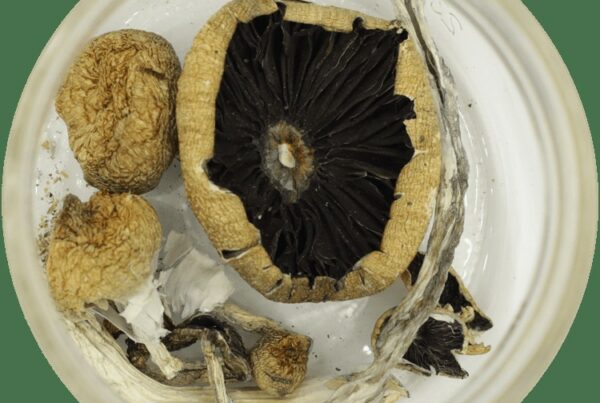
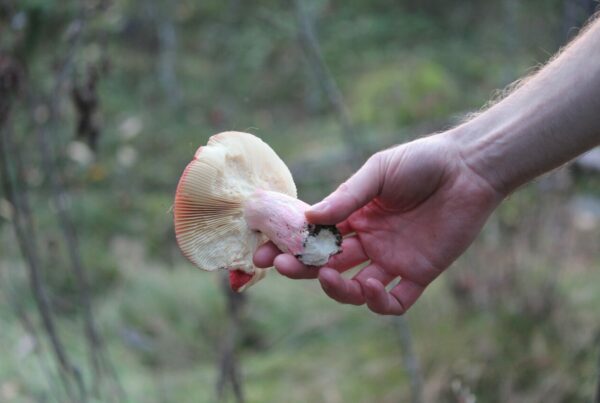
Let’s take a look at some of the products currently available in these dispensaries:
| Product | Psilocybin | Psilocin | Potency | Product Type |
| Golden Teacher | 0.61% | 0.6% | Medium | Dehydrated |
| Blue Magnolia Rust | 0.75-0.87% | 0.05% | Medium | Dehydrated |
Legality
Despite national bans on shroom use, cities like Vancouver and Toronto have decriminalized the possession of these substances under certain circumstances.
In mid-2020, the Federal Minister of Health Canada allowed four terminally ill patients to utilize shrooms as part of end-of-life care. These individuals, afflicted with terminal cancer, had been unresponsive to conventional psychotherapy treatments.
This marked the first exemption under the Controlled Drugs and Substances Act, allowing patients to access psychedelic substances for therapeutic purposes. This could possibly pave the way for more such exceptions in the future.
Despite obstacles, the city’s progressive stance on drug policy has facilitated the growth of businesses, suggesting a wider movement towards legalization and alternative treatment methods.
Contrasting Approaches
The city’s efforts, while commendable, are less ambitious than the robust measures adopted by the U.S.
Vancouver’s Legal Initiatives
U.S. Legal Initiatives
Despite the slow acceptance of this substance in Canada, certain cities are emerging as hubs for innovative mental health treatments.
Establishing a Foundation for Mental Health Care in Vancouver
The city is efficiently addressing medical needs. Stores are adapting to
There’s been a notable change in how the public views psychedelics and their potential applications in healthcare.
Ongoing Research Project
Clairvoyant is a 24-week, multicenter, randomized, double-blind, placebo-controlled, parallel-group, phase 2 clinical trial currently taking place at the University of British Columbia. The goal of this international research project is to study the effectiveness and safety of psilocybin-enhanced therapy for adults with Alcohol Use Disorder.
Potential Economic and Social Impacts for Vancouver
While much attention is given to the potential therapeutic uses of psychoactive substances, their economic potential is also substantial. The appearance of cannabis dispensaries on streets such as West Broadway and Granville triggered a surge in foreign investment. The acceptance and growth of controlled substances could attract more investors and create job opportunities.
Economic Growth
As Vancouver adopts more forward-thinking policies towards psilocybin, dispensaries could significantly contribute to economic expansion in various ways.
Encouraging Social Awareness and Initiatives
The Knowledgeable Psilocybin Community and Magic Mushroom Dispensaries in Vancouver
Every single effort counts, no matter how big or small. The city’s approach gives precedence to mental health and the wellness of the community over fast-paced commercialization. Despite the gradual pace of acceptance, significant progress has been noted compared to previous years. Looking ahead, it is expected that an increasing number of dispensaries will follow the example set by Organic Shroom Canada to provide Canadians with easy and secure online mushroom access.
Answers to Common Questions:
Are there restrictions on the mushroom strains for therapeutic use in Vancouver dispensaries?
No limitations exist on the mushroom types intended for medicinal use. All varieties available in the market are for therapeutic purposes. For an informed decision, consider exploring online blogs about the best strain for your needs, especially if it’s for medicinal reasons.
Does the Vancouver Police Department have concerns about psilocybin use?
The city hall and the Vancouver Police Department understand the primary use of psilocybin is for medicinal purposes. They admit that their focus is more on apprehending serious offenders. Their goal is to arrest violent and organized criminals involved in trafficking dangerous opioids and those who play a part in the ongoing health crisis of illegal drug fatalities.
Are Canada and the US the only countries allowing psilocybin use?
As of 2024, the legalization or decriminalization of certain psychedelics has taken place in various regions, including parts of Central Africa, South Africa, Australia, the Bahamas, Brazil, the British Virgin Islands, the Czech Republic, Costa Rica, Israel, Jamaica, Mexico, Nepal, the Netherlands, Panama, Peru, Portugal, Samoa, Spain, and Switzerland.